
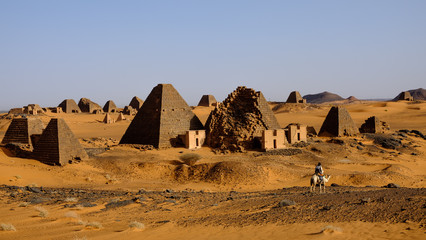
The power in the Nile Valley
Sudan has a rich and diverse history, home to ancient civilizations like the Kingdom of Kush, which rivaled Egypt and built the legendary pyramids of Meroë. It was a center of trade, culture, and power in the Nile Valley, with influences from Nubian, Arab, and African traditions. Later, it saw the rise of Islamic sultanates and played a key role in African and Arab history. Sudan’s past reflects resilience, heritage, and a unique blend of identities. A truly remarkable legacy
Sudan’s Untapped Economic Potential
Sudan possesses vast economic resources, including fertile land fed by the Nile River, making it a potential breadbasket for Africa. The country also holds significant deposits of gold, oil, and other minerals, offering opportunities for mining and energy sectors. With proper investment and infrastructure, Sudan could become a major agricultural and mineral exporter, boosting its economy and region
Rich Cultural Traditions
Sudanese culture is deeply rooted in traditions of generosity and communal celebrations. Hospitality (karama) is a cornerstone, with guests often welcomed with coffee (jebena) and meals. Festivals like the vibrant Sufi moulids (saint celebrations) and the Karma harvest festival showcase Sudan’s musical, spiritual, and artistic heritage, reflecting its diverse ethnic tapestry. These traditions strengthen social bonds and preserve Sudan’s unique identity.
Commitment Extends Beyond The Community
The overarching goal is to guide the community in overcoming deeply ingrained patterns associated with a generational mindset of subjugation. This commitment extends beyond the community itself, reaching out to offer support and assistance to other similarly disadvantaged refugee groups. By fostering a culture of self-determination, the organization endeavors to create a lasting impact, not only addressing immediate needs but also contributing to the broader narrative of empowerment and resilience among refugee communities.